Country/Region/City
Each FISU World University Championship is more than just a sporting event — it’s a unique opportunity to discover a new culture, explore a region, and connect with a vibrant academic community.
This page introduces you to the host country and city for this edition, highlighting their history, key features, and commitment to sport and youth.
Chinese Taipei
- Capital: Taipei.
- Location: Western Pacific Ocean, east of mainland China, south of Japan, and north of the Philippines, featuring diverse climates from tropical to temperate.
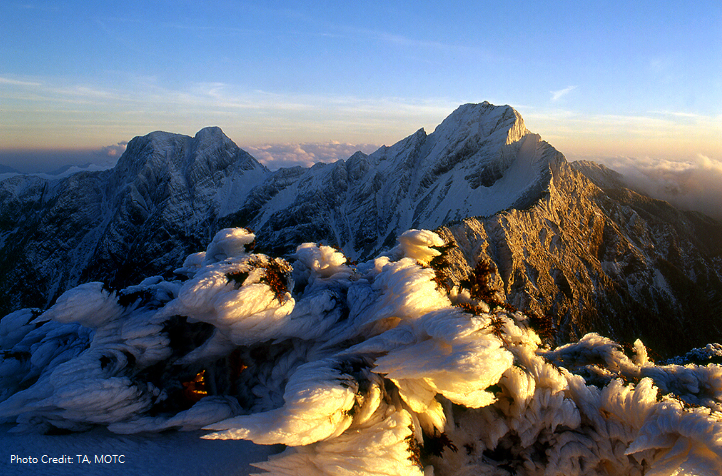
- “Formosa“: Known historically as Formosa, its name reflects its rich natural beauty, featuring subtropical forests, coral reefs, and snowy peaks.
- Democracy: A leading democracy in Asia, celebrated for its freedoms and resilient political landscape.
- People & Culture: A mix of Chinese (including Hokkien, Hakka), indigenous Austronesian cultures, and influences from Japan and the West, with languages like Mandarin and Taiwanese Hokkien.
- Economy: A developed, high-tech economy, strong in electronics and manufacturing, supported by world-class infrastructure.
- Tourism: Famous for its friendly people, delicious street food, night markets, hot springs, diverse nature, and cultural heritage.
- Culinary Paradise: A food lover’s dream, from Michelin-starred restaurants to famous night markets offering regional Chinese specialties and local delicacies.
New Taipei
Situated in the northern part of Taiwan, New Taipei has an estimated population of over 4 million and an area of 2052 km2. Given its location advantages, today’s New Taipei is a major city of Business Industries second to Taipei.
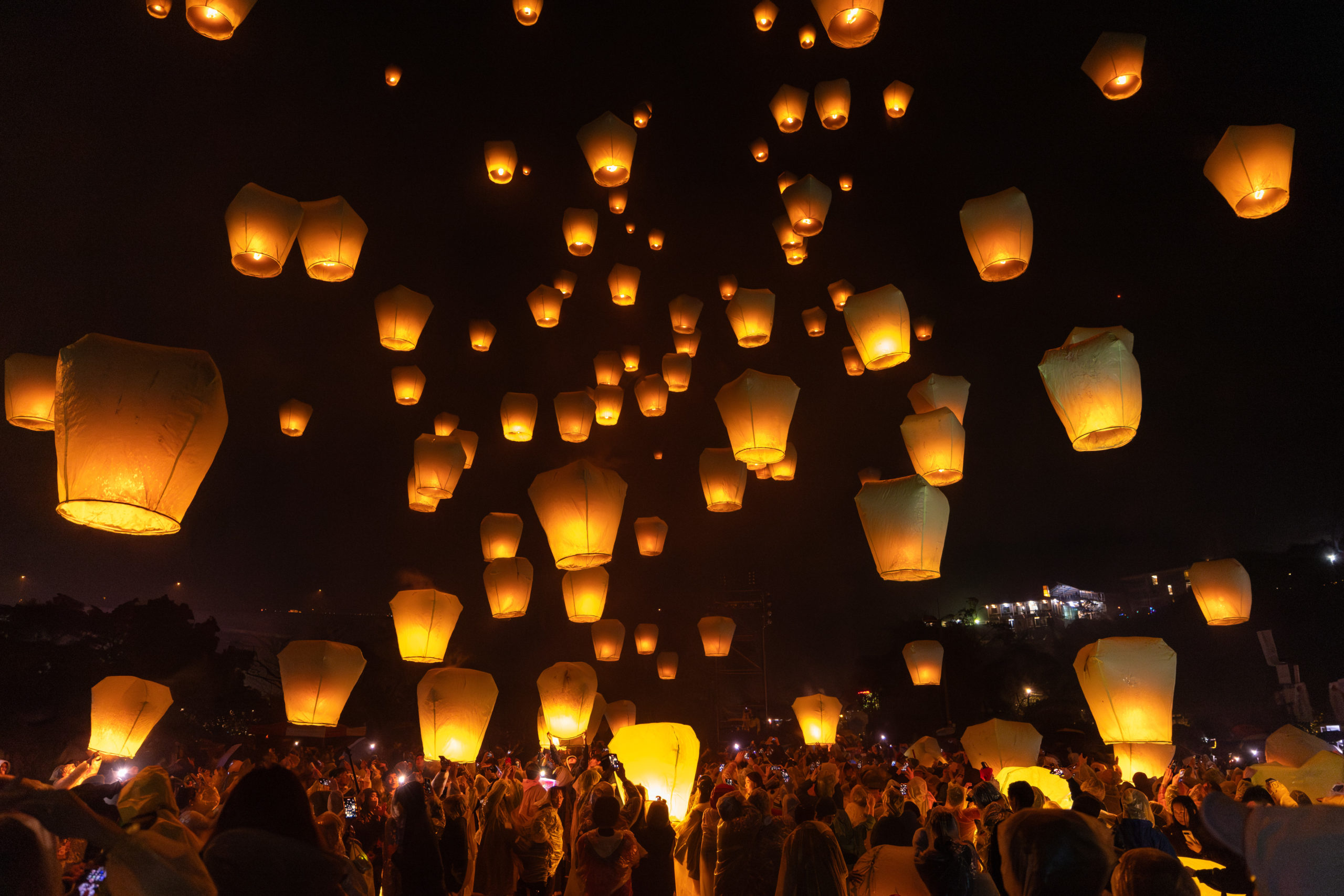
As a city filled with cultural and creative industries, New Taipei has a variety of industries like the pottery industry in Yingge, the Liuli industry in Tamsui, Drums in Xinzhuang, and dye in Sanxia, Noble metal processing in Ruifang, Sky lanterns in Pingxi…etc. 120-kilometer coastlines with famous natural parks like Yeliou and hot springs in Jinshan and Wanli makes New Taipei abundant in tourism resource. The internationally famous annual Gongliao Rock Festival is also located in New Taipei. Other historical assets left from the Japanese colony era, like the 600-kilometer coal mine track, attracts large number of visitors each year. The sky lantern has quite a history, and the Pingxi area is the only legal area to light these lanterns. Tamsui has been through the colonization of Spanish, Dutch, Ming Dynasty, Qing Dynasty and Japanese. Its superior location drew long-term British settlement for business. Pinling and Shiding’s Wenshan Baozhong Tea is also world-renowned, and was once widely exported to Europe.
Unique museums in New Taipei are also worth visiting. The “Lin’s Mansion” possesses a large collection of green buildings from the Qing dynasty owned by Merchant Ben-Yuan Lin. “Yingge Ceramic Museums” has more than 2,500 pieces of delicate pottery. The Gold Ecological Park in Jinguashi and Shisanhang Museum are all free of admission and open to the public. Rich cultural and tourism resources attract more than 30 million tourists annually and make New Taipei one of the best picks for tourists.
Please visit https://newtaipei.travel/en for more details.